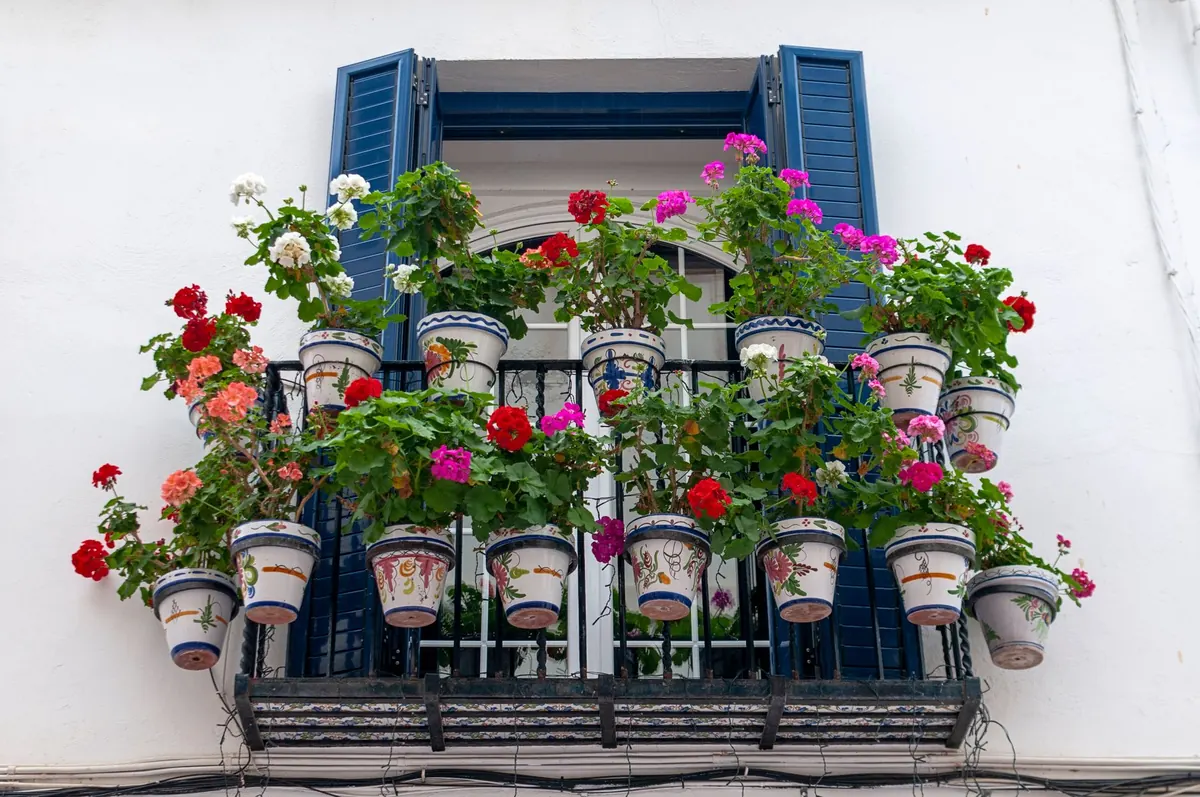
A balcony the size of a doormat can still grow dinner. Containers let you garden where there is no ground at all — a sunny patio corner, a wide windowsill, the steps by the back door — and they give you control over soil, drainage and light that a garden bed never offers. What they don't offer is a buffer. Roots have nowhere to run, water vanishes fast, and a plant that outgrows its pot quietly stops producing. Get the pot, the mix and the watering routine right, and the rest is easier than most people expect.
Choose Pots by Root Space, Not by Looks
The most common container mistake is starting too small. A tomato in a 5-litre pot will stall, yellow and set almost no fruit, no matter how carefully you water it. Aim for the largest pots your space and budget allow; bigger volumes mean steadier moisture and stronger roots. Depth matters as much as width for root crops, and vining plants need room for both roots and a trellis.
As a rough guide:
- Herbs, spring onions, radishes: 15 cm (6 in) deep and wide, one to three plants.
- Lettuce, spinach, chard, bush beans: 20–25 cm (8–10 in) deep, planted at roughly the density you would use in a bed.
- Peppers, chillies, bush tomatoes: 15–20 litres of mix each, about a 30 cm pot.
- Vining tomatoes, cucumbers, courgettes: 25–30 litres each. These are thirsty plants with big root systems.
- Carrots and beetroot: depth matters most — 25–30 cm of loose mix.
Material changes how often you will water. Terracotta breathes and dries quickly, which suits rosemary and thyme but not cucumbers. Glazed ceramic and plastic hold moisture longer, though a 30-litre pot of wet mix is heavy — worth checking balcony weight limits before you fill a row of them. Fabric grow bags air-prune roots and fold away in winter, but dry out fastest of all. Whatever you choose, make sure it has proper drainage holes. Self-watering containers, with a reservoir in the base, can stretch a daily watering into every second or third day, which is a lifesaver on a hot balcony.
Potting Mix, Not Garden Soil
Garden soil turns to brick in a container: it compacts, drains badly, and can bring weed seeds and soil-borne disease with it. Bagged potting mix is light enough for roots to push through, holds both water and air, and gives seedlings a clean start. Look for peat or coir blended with perlite or bark fines, and a mix that already includes some compost.
Fill to within 2–3 cm of the rim so there is room to water without it sloshing over the side, firm the mix gently as you go, then water thoroughly and let it settle before planting. Topping up with fresh mix each season is cheaper than losing a crop to tired, compacted soil. If you reuse last year's mix, remove old roots, add a few handfuls of compost and a slow-release fertiliser, and never reuse mix from a plant that died of disease.
Watering: Little and Often
Containers dry from every side, including the exposed top, so they lose moisture far faster than the ground. On a hot, windy balcony, a fruiting tomato can empty its pot in a day.
Check by pushing a finger in to the second knuckle, or by lifting the pot — light means dry. Water until it runs from the drainage holes, then tip out the saucer; roots rot in standing water as surely as they wilt in drought. Morning is the best time, so plants have moisture for the hottest hours and foliage dries before evening. A 2 cm layer of compost or straw on the surface slows evaporation, and grouping pots together lets them shade one another. Self-watering containers or a simple drip irrigation kit can buy you a day or two away from the balcony without losing everything.
Feeding: The Other Half of Watering
Every time you water a container, you flush a little nutrition out of the bottom. Unlike garden soil, potting mix has no reserves to draw on, so plants that feed heavily — tomatoes, peppers, cucumbers, courgettes — need regular feeding from about six weeks after planting. A liquid organic feed, diluted according to the bottle, once a week is usually enough for leafy crops; fruiting plants want a potassium-rich tomato feed once flowers appear. Slow-release granules mixed into the potting mix at planting can cover the first month or two, but they run out. If leaves turn pale yellow from the bottom up, the plant is hungry. If leaf edges brown and curl, you have probably overfed. Feed little and often rather than in one strong dose.
What to Grow (and What to Skip)
Not every vegetable is worth a container. The best crops for small spaces are those that crop quickly, stay compact, or produce a lot for their size. Salad leaves, radishes, spring onions, herbs, chard, bush beans, chillies, determinate (bush) tomatoes, and strawberries all earn their space. Peppers and aubergines grow well in warm spots, and climbing cucumbers or pole beans can be trained up a tripod or wall trellis, using vertical space instead of floor space.
Skip the space hogs: sweetcorn, pumpkins, watermelon, and full-size winter squash need more root room and sprawling vines than most balconies can give. Rhubarb and asparagus are perennials that take years to establish and resent being potted. If you have your heart set on a big vining tomato or a courgette, give it the largest pot you can find, water it daily, and feed it weekly — it can be done, but it is not a beginner's crop.
Quick Troubleshooting
Most container problems come back to water, light or food. Yellow lower leaves usually mean overwatering or hunger; check the soil moisture first, then feed. Blossom end rot on tomatoes — a sunken black patch on the bottom of the fruit — is caused by inconsistent watering, not a lack of calcium in the soil, so keep moisture steady and remove affected fruit. Leggy, pale seedlings are crying out for more light; move them closer to a sunny window or add a small grow light. Aphids and whiteflies can be blasted off with a firm spray of water or treated with insecticidal soap. Inspect the undersides of leaves weekly, before a small problem becomes an infestation.
Container gardening rewards attention more than equipment. A few good pots, a light mix, a watering can and a weekly feed will outgrow a shelf of gadgets every time. Start with herbs and salad, learn how your pots dry out, and add a tomato or pepper next season. The balcony will tell you what it wants to grow.