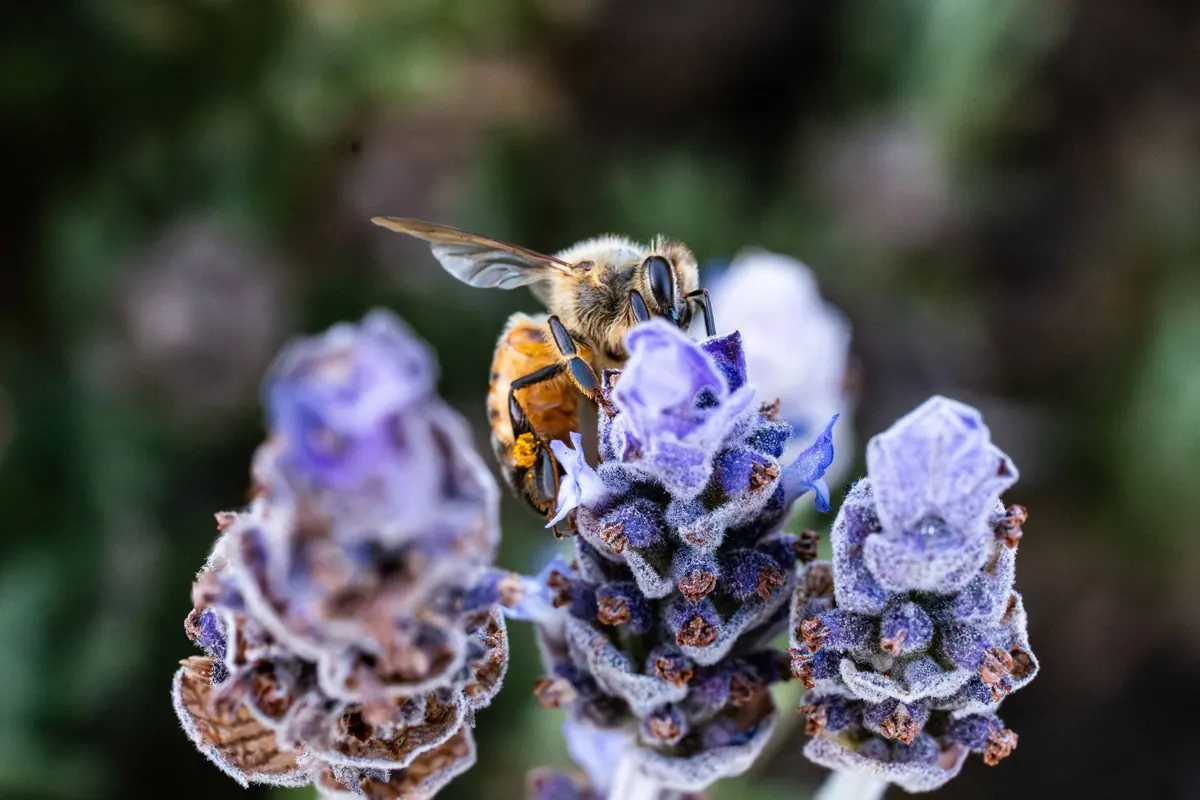
A courtyard the size of a parking space can pull in more bees than a tidy lawn three times its size. Pollinators are not looking for acreage. They are looking for the right flower shapes, a steady supply of food from early spring to first frost, and a few rough edges where they can rest or nest. Get those three things roughly right in a small garden and insects will find you, often within a season.
What follows is the practical version: which flowers suit which visitor, how to time the blooms, and the cheap habitat extras worth adding when every square metre counts.
Match the Flower to the Visitor
Bees, butterflies and hoverflies do not feed in the same way, and flower shape decides who can reach the nectar. A garden filled with one type of bloom will only ever serve one type of insect.
- Short-tongued bees (honeybees, many solitary species) need open, shallow flowers where the nectar sits within easy reach: asters, cosmos, calendula, borage, sedum, single dahlias.
- Long-tongued bumblebees work tubular flowers that others cannot open: foxglove, penstemon, salvia, monarda, comfrey, honeysuckle.
- Butterflies want a flat landing platform and flowers grouped closely enough that they can walk between them: coneflower, yarrow, oregano, verbena, purpletop vervain, marjoram.
- Hoverflies hover over shallow, open blooms, especially umbellifers: dill, fennel, chervil, parsley left to flower, yarrow, chamomile, coriander.
One rule saves a lot of disappointment: skip double flowers. The frilly, many-petalled versions of roses, peonies and begonias often carry little or no accessible pollen and nectar. If you are choosing between a striking double and a plain single, take the single. If a plant is invasive in your area — butterfly bush is the classic example in some regions — check with a local nursery or garden society before planting it.
Stagger the Bloom, Don't Buy One Big Show
A garden that erupts in July and goes quiet by August is a summer snack, not a season. Pollinators need continuity, because colonies and butterfly generations build through the year. Aim for at least three waves.
- Early spring: crocus, snowdrop, hellebore, Pulmonaria, flowering currant, wallflowers, dandelions left in the lawn.
- Early to midsummer: catmint, lavender, salvia, thyme, borage, allium, hardy geranium.
- Late summer into autumn: asters, sedum, helenium, goldenrod, Japanese anemone, ivy flowers, rosemary still going.
If you only have room for six plants, choose two from each group rather than six from your favourite season. Tidy gardeners often deadhead everything; leave a few spent blooms to set seed and the goldfinches will thank you as well.
Plant in Clumps, Then Repeat
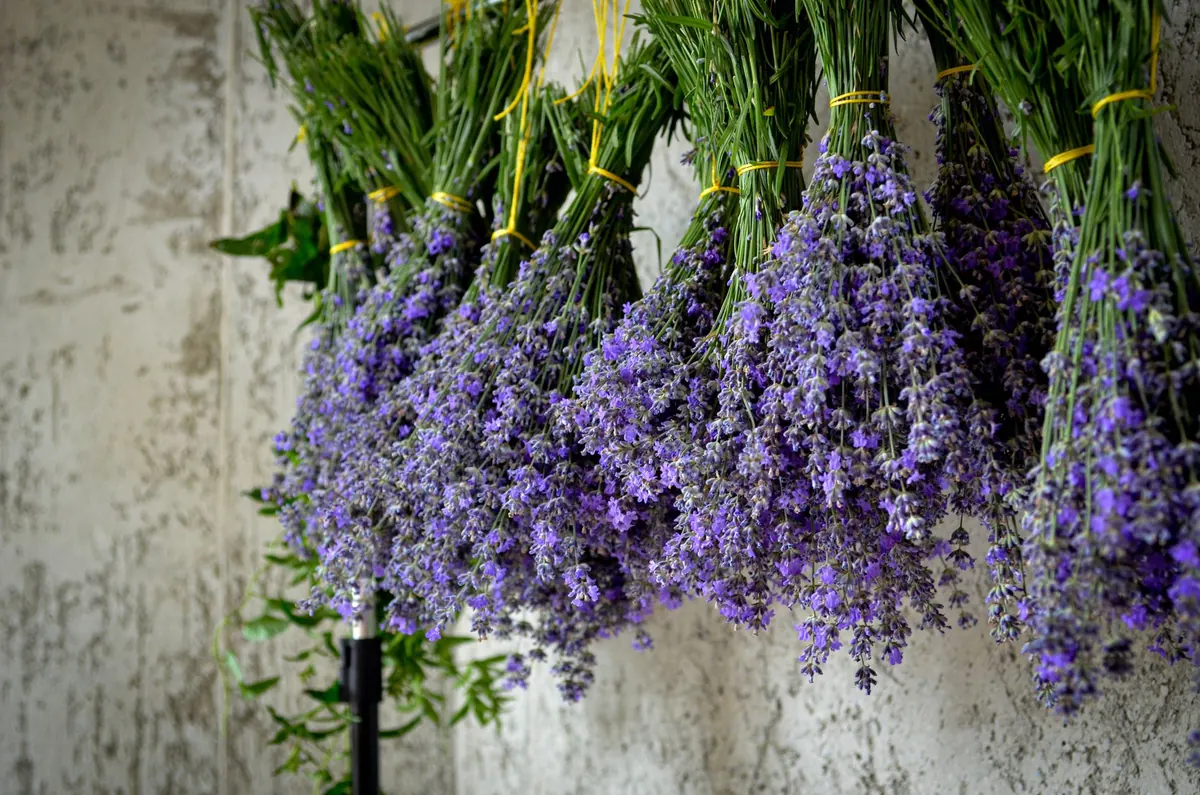
A single lavender among mixed bedding is nearly invisible to a bee flying past at head height. A block of nine is a landing strip. In a small garden, clumps of three to five of the same plant read far stronger than a collector's row of one-offs, and they let insects forage efficiently instead of hopping between unrelated species.
Repeat each clump in two places if you have the space, for example a lavender group by the back door and a matching one along the fence. That repetition also makes the garden look deliberate rather than random.
Grow Up, Not Just Out
Floor space is usually the limiting factor, so use walls and fences. A trellis with jasmine, honeysuckle or a climbing rose adds vertical foraging, and wall-mounted troughs at chest height lift flowers into easy flying lanes.
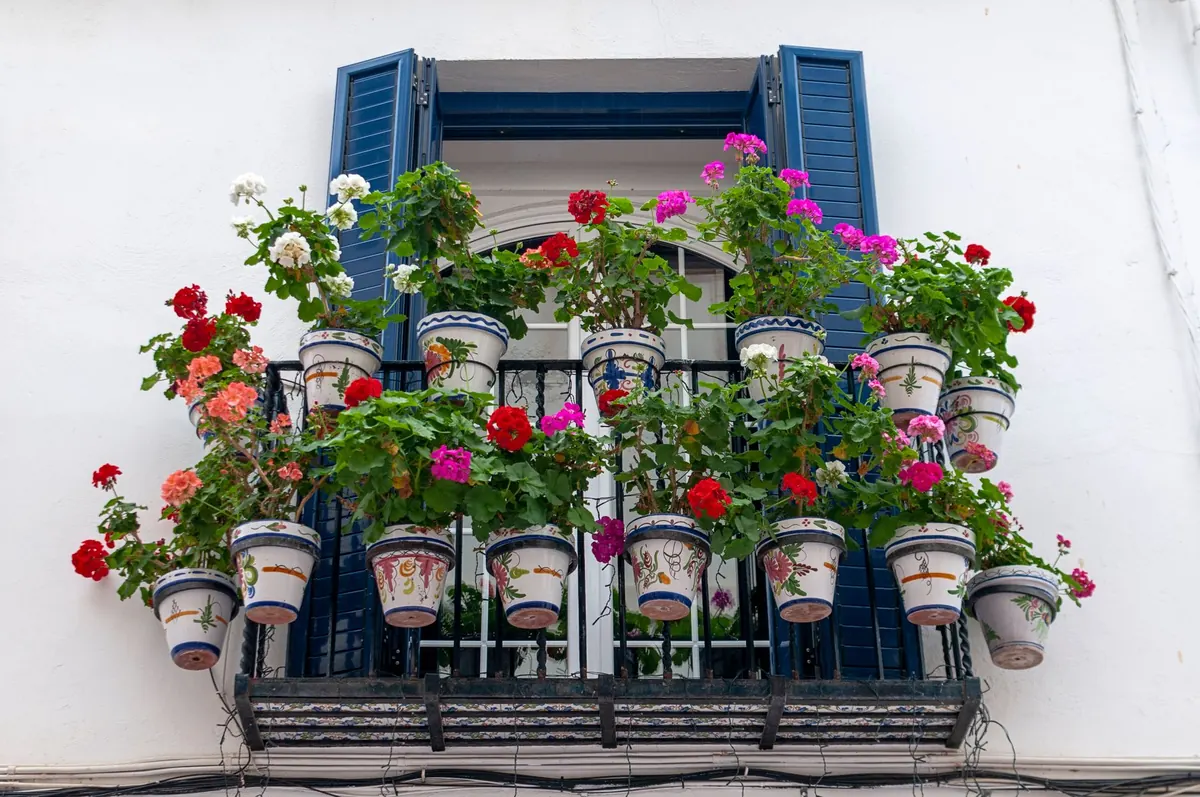
Containers work well with a few adjustments. Choose the largest pots you can move, since small pots dry out and overheat fast. Use a peat-free compost with some loam or garden soil mixed in for weight and moisture, mulch the surface with gravel or bark, and group pots together so they shade each other's roots. Herbs in pots are the easiest win of all: a supermarket basil, mint or thyme allowed to flower will bring hoverflies and small bees to a windowsill within days.
Leave a Little Mess
Flowers feed pollinators; habitat keeps them around. Both matter in a small space, and the habitat half takes almost no effort.
- Bare ground. Many solitary bees nest in sunny, undisturbed soil. Leave a patch of exposed earth, or the strip between paving and fence, and resist the urge to dig it over.
- Stems over winter. Cut back perennials in late spring instead of autumn. Hollow stems and seed heads shelter overwintering insects.
- A log or leaf pile. Even a small stack of prunings in a shady corner creates shelter for beetles and other invertebrates.
- Shallow water. Sink a dish with pebbles for landing and refresh it every couple of days, particularly in warm weather, so it does not become a mosquito nursery.
- No sprays. Insecticides and most herbicides do not distinguish between pests and pollinators. Handpick, tolerate a few chewed leaves, and let the ladybirds and hoverfly larvae work.
A Small-Space Planting Plan You Can Finish in a Weekend
If you are starting from scratch, work in this order.
- Watch your space for a day and note where sun falls in the morning, at noon and in the late afternoon. Most pollinator plants want six hours of direct light; partial shade limits you to geraniums, foxgloves and Pulmonaria.
- Pick six to nine plants from the three-season list, choosing single-flowered varieties suited to your light.
- Plant them in blocks of three to five, with the tallest at the back or against the wall.
- Add one water dish and one undisturbed patch of ground or a small log pile.
- Sow a pot of dill or coriander and let it flower. It costs almost nothing and fills the late-summer gap.
- Stop cutting back in autumn. Tidy in April instead.
Keep It Going Year After Year
The best small pollinator gardens improve by subtraction rather than addition. Each autumn, notice which plants were actually buzzing and which were merely pretty, then give the busy ones more room next spring. Once the garden is working, the maintenance is mostly restraint: less deadheading, less spraying, less clearing. A few unkempt corners and a steady drift of flowers from March to October is all it takes for a small backyard to become a dependable stop on the local route.
Photo: Jesus Ontiveros / Pexels