The first spring in a new yard, the decision shows up fast: build boxes, or dig into what's already there? Both work. Plenty of productive gardens are nothing but a rectangle of turned earth, and plenty are a tidy row of frames filled with compost. The better question isn't which is superior. It's which one fits your ground, your budget, and the amount of time you actually have on a Saturday morning.
Cost: Where the Money Really Goes
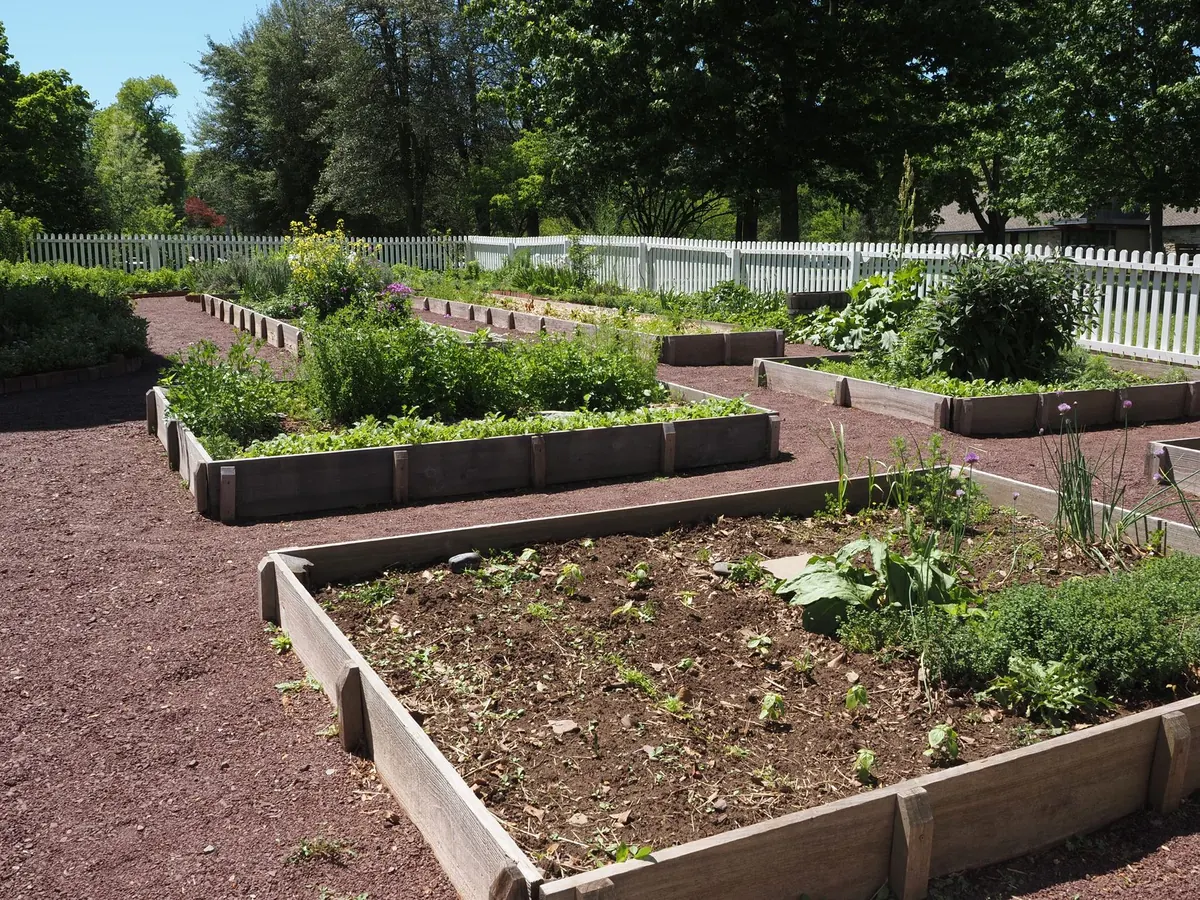
Raised beds cost more up front, and the frame is rarely the expensive part. Filling is. A 4-by-8-foot bed filled 10 to 12 inches deep swallows close to a cubic yard of material, and buying that in bags gets painful quickly. Bulk delivery of topsoil and compost, or a mix you blend yourself, keeps the number sane. Untreated softwood boards may last only a few seasons before they rot; rot-resistant wood, stone, or metal panels last longer and cost more.
In-ground planting is cheaper to start. A soil test, a load of compost, maybe a tiller rental for the first pass. If your native soil is reasonably workable, that's the whole bill, and it shrinks every year as you keep adding organic matter. Prices vary a lot by region, so check locally before you commit either way.
Soil Quality: The Biggest Practical Difference
Raised beds let you skip the argument with bad ground. Heavy clay, compacted builder's fill, gravelly subsoil — you build on top and fill with a blend you control. A common starting mix is roughly two parts topsoil to one part compost, adjusted for what you're growing. Roots get loose, aerated ground immediately, and the soil warms earlier in spring, which matters for tomatoes, peppers, and melons.
In-ground planting uses what you have. Improving it takes longer — seasons of compost, mulch, and cover crops — but the volume is unlimited and there's no frame to rot or replace. Deep-rooted and sprawling crops like corn, squash, and pumpkins are often happier in open ground, where they can run without hitting a wall.
If you have any reason to suspect contaminated soil, near old painted structures or industrial fill, raised beds with clean fill are the safer route. A soil test through your local cooperative extension office or a reputable lab will tell you what you're working with before you plant anything you intend to eat.
Drainage and Watering
This is where the two setups diverge most in daily practice. Raised beds drain fast. On wet clay, that's a rescue. In a dry, sandy, or windy spot, it's a chore — you'll water more often and mulch more heavily. Beds also dry from the sides, not just the surface, so a small bed can go from damp to dusty in a day or two in July. Drip irrigation on a timer is the sane fix.
In-ground soil holds moisture longer. That helps in dry spells and hurts in a low spot where water stands after a hard rain. If puddles linger in your planting area, that's your answer: raise the bed, or choose crops that tolerate wet feet.
Either way, water deeply and less often to push roots downward, and check the soil a knuckle deep before reaching for the hose.
Weeding and Ongoing Effort
Raised beds start with an advantage. Fill them with a clean mix and you aren't inheriting decades of weed seed. You'll still get blown-in seeds and weeds along the edges, but the soil is loose, so pulling them is quick, and the working height saves your back. Ten minutes with a hoe handles most of it.
In-ground beds come with whatever is already there — the existing seed bank plus perennials with running roots like bindweed, quackgrass, or ground ivy. Those take persistence: smother them with cardboard and mulch for a full season, or cultivate regularly and accept a slower cleanup.
One caveat on raised beds: line the bottom with cardboard if you're building over lawn, but don't count on landscape fabric to stop rhizomes creeping in from the sides. Edging helps more than fabric does.
Access, Height, and Your Own Body
If bending and kneeling are hard on you, this may settle the question. A bed 18 to 24 inches tall lets you sit on the edge or work from a stool. Go to 30 inches or higher and you can garden standing. The trade-off is fill: every inch of height is more material to buy and more soil that dries out. Beds set directly on soil with an open bottom let roots escape downward and need less fill.
In-ground gardening has no height limit and no frame to maintain, but it asks for a kneeling pad, a stool, or long-handled tools. Keep beds about 3 to 4 feet wide so you can reach the middle without stepping on the soil you've just loosened.
How to Decide
Choose raised beds if:
- Your soil is heavy clay, compacted, rocky, or questionable
- Your site is wet and slow to drain
- You want to garden seated or standing
- You're growing salads, herbs, carrots, and other small crops near the kitchen door
- The up-front cost is acceptable and you like a contained, tidy look
Stay in-ground if:
- Your soil is workable and drains well
- You're growing corn, squash, potatoes, or anything sprawling at scale
- Budget and square footage matter more than speed
- You'd rather improve soil in place than truck in fill
- You have space and no appetite for building frames
Try a Hybrid, Then Expand
Plenty of gardeners do both, and it works well. Two or three raised beds by the back door for herbs, greens, and anything you harvest often; in-ground rows farther out for the big, thirsty crops. If you're still unsure, start with one 4-by-8 bed and one in-ground patch, and keep a few notes on watering and weeding through the season. A single summer will tell you which one you actually enjoy tending — and that matters more than any comparison chart.
Whichever route you take, test your soil first, add compost every year, and mulch. Good soil is the real investment. The frame is just a container for it.
Photo: Gene Samit / Pexels